Administration & observation room
Number of rooms eligible for treatment (Required availability – twice a week for weeks 1-4, once per week for weeks 5-8 and once a week or once every two weeks thereafter.)1
SPRAVATO®, in combination with a SSRI or SNRI, is indicated for adults with treatment-resistant Major Depressive Disorder, who have not responded to at least two different treatments with antidepressants in the current moderate to severe depressive episode.1
Adverse events should be reported. This medicinal product is subject to additional monitoring and it is therefore important to report any suspected adverse events related to this medicinal product. Healthcare professionals are asked to report any suspected adverse events via: HPRA Pharmacovigilance Website: www.hpra.ie.
Adverse events should also be reported to Janssen Sciences Ireland UC on 1800 709 122 or at dsafety@its.jnj.com.
Prescribing information can be found by clicking on the
'Prescribing information' link situated at the top of the slides and at the end of this document

SPRAVATO®, in combination with a SSRI or SNRI, is indicated for adults with treatment-resistant Major Depressive Disorder, who have not responded to at least two different treatments with antidepressants in the current moderate to severe depressive episode. 1
Two sessions per week
One session per week
One session per week or every two weeks
9+ weeks
Arrive at site
Waiting room
Consultation
Self-administration by the patient under the direct supervision of a healthcare professional.1
Patient assessed for any contraindications and BP checked.1
Patient is observed by a healthcare professional until clinically stable and deemed ready to leave.1
Leave site
Number of rooms eligible for treatment (Required availability – twice a week for weeks 1-4, once per week for weeks 5-8 and once a week or once every two weeks thereafter.)1
Total number of chairs in these rooms
Is there enough blood pressure monitoring equipment?
Psychiatrist(s) to be involved
Nurse(s) to be involved
Is there storage available to safely store the SPRAVATO® nasal sprays?
Results:

Allow for the patient to be accompanied by a ‘carer’ (e.g. spouse, family member, friend), who could be with the patient during the post-administration observation, and help the patient throughout the journey.

Implement a simplified administration system, as often used for indications with frequent hospital visits, for decreasing the administrative burden for the patient (e.g. no registration at a desk and use of ID card), allowing for easier access to the observation room and faster treatment start.

Make notes of individual patient experience on treatment so it can be used for subsequent treatment sessions to optimise their experience.
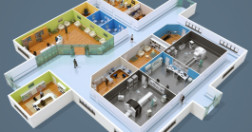
Optimised location and layout of Site of Care while considering the flow of patients and considering specific needs, e.g. disabled people. Improve traffic flow (e.g. observation rooms close to admission desk or secondary entrance) and eliminate redundancy (e.g. avoid 2 steps admissions).

Set-up a (dedicated) storage location close to the treatment location(s).

Set-up of an end-of-day treatment schedule for allowing patients to keep their day scheduled unaltered, e.g. allowing to drive or use machinery during the morning and early afternoon.
min
week(s)
min
min
Treatment duration in weeks
Number of weeks between sessions during maintenance
Room(s)
Room(s)
Hour(s)/week
Chair(s)
Nurse(s)
Nurse(s)
Hour(s)/week
Dedicated observation time
Psychiatrist(s)
Psychiatrist(s)
Hour(s)/week
Aspiration of patients treated in a year:
Theoretical maximum number of patients per year:
Number of patients seen (sessions) in a week:
Number of patients ramp-up:
Impact of adding:
07:00
08:00
09:00
10:00
11:00
12:00
13:00
14:00
15:00
16:00
17:00
18:00
19:00
20:00
21:00
22:00
Mon.
Tue.
Wed.
Thu.
Fri.
Sat.
Sun.
Monday
Tuesday
Wednesday
Thursday
Friday
Saturday
Sunday
07:00
08:00
09:00
10:00
11:00
12:00
13:00
14:00
15:00
16:00
17:00
18:00
19:00
20:00
21:00
22:00
23:00
C
N
P
S
C
N
P
S
C
N
P
S
C
N
P
S
C
N
P
S
C
N
P
S
C
N
P
S
Number of HCP's/rooms
Number of sessions
C Chairs
N Nurses
P Psychiatrists
S Sessions
Results: 11

Adjust the staffing mix to aid with streamlined patient treatment. (e.g. leverage junior nurses for post-administration observation of known patients, optimised frequency of physician consultations).

In a prolonged observation phase, the available free time can efficiently be used by the nurse to do additional work. E.g. administrative work …

For the maintenance phase of the treatment, set-up a dedicated room with the necessary equipment for administration and post- …

The use of under-utilised infrastructure (e.g specific times) of neighbouring facilities/rooms.

Set-up of partnerships with other Sites of Care. E.g. for allowing treatment during non-induction phases, with Sites of Care within the responsibility of the hospital pharmacy.

Set-up of a dedicated timeslot for treatment that is currently known to be underutilised by the nurses (i.e. because inpatients are in treatment/therapy, sleeping, less patients on Monday and Friday, …).

Organise administration & post-administration observation in rooms next to / close to each other, potentially allowing a nurse to observe multiple patients at the same time.

Utilise flexible staff planning in order to schedule more patients on some part of the days / some day, and leverage infrastructure availability.
Organise HCP time to allow for smooth discharge of patients by leveraging the discharge readiness checklist, e.g. ensuring availability of a physician at scheduled treatment end (and therefore avoiding to keep patients in the Site of Care while post-administration observation is complete).
Psychiatrist time dedicated to SPRAVATO®
hour(s)
Weekly working time
hour(s)
%
Nurse time dedicated to SPRAVATO®
hour(s)
Weekly working time
hour(s)
%
Room time dedicated to SPRAVATO®
hour(s)
Weekly available time
hour(s)
%
Please select the data you wish to compare the outcomes of SPRAVATO® to, oral anti-depressants only using unadjusted clinical trial data or adjusted clinical trial data to account for additional clinic visits, or to standard of care treatments (oral anti-depressants, SSRI/SNRI + augmentation with antipsychotics, SSRI/SNRI + augmentation with lithium and Electroconvulsive therapy) using data from a network meta-analysis.
All SPRAVATO® clinical outcomes are modelled using clinical trial data for the 18 to 64 age group.
If all patients are treated with SPRAVATO® + oral antidepressant (OAD), more patients could be in response and remission compared to standard of care (SOC), based on 4-week response and remission rates for SPRAVATO® of 69.30% and 52.50%, respectively**4.

When compared with placebo nasal spray + OAD, SPRAVATO® + OAD has demonstrated superior reduction in symptoms of depression at day 28:4 Primary endpoint (p=0.02)&. Response rates at 24 hours, maintaining clinical response at Day 28^4. 7.9% (n=9/114) vs. 4.6% (n=5/109) (p=0.321); Secondary endpoint (not statistically significant)

patients in remission
If treated with SPRAVATO® + OADpatients in remission
If treated with SOC‡
patients responding
If treated with SPRAVATO® + OADpatients responding
If treated with SOC‡
patients not responding
If treated with SPRAVATO® + OADpatients not responding
If treated with SOC‡
months in remission
If treated with SPRAVATO® + OADmonths in remission
If treated with SOC‡
51% reduced risk of relapse in stable remitters;$5 Relapse rates 26.7% vs 45.3%; Primary endpoint (p=0.003); Hazard Ratio (95% CI) = 0.49 (0.29; 0.84)
70% reduced risk of relapse in stable responders;$5 Relapse rates 25.8% vs 57.6%; Secondary endpoint (p<0.001); Hazard Ratio (95% CI) = 0.30 (0.16; 0.55)
AAP: Augmentation with antipsychotics; ECT: Electroconvulsive therapy; NMA: Network meta-analysis; OAD: oral anti-depressant; SOC: standard of care.
** Based on MMRM analysis (mixed model for repeated measures), the EU SPRAVATO® SMPC states response rates of 61.4% for the SPRAVATO® + OAD arm vs 47.7% for the OAD + placebo arm and remission rates of 46.5% and 28.4% respectively at endpoint based on ANCOVA BOCF analysis.9 For patients in stable remission, the relapse rate based on Kaplan Meier estimates during the 12 and 24 weeks double blind follow up period was 13% and 32% for SPRAVATO® and 37% and 46% for placebo nasal spray, respectively. For patients in stable response, the relapse rate based on Kaplan Meier estimates during the 12 and 24 weeks double blind follow up period was 21% and 21% for SPRAVATO® and 47% and 56% for placebo nasal spray, respectively.9
† Standard of care refers to oral anti-depressants, SSRI/SNRI + augmentation with antipsychotics, SSRI/SNRI + augmentation with lithium and Electroconvulsive therapy.
‡ The outcomes presented are based on modelled data from the NMA conducted for the NICE submission.
- The response and remission rates of ECT are assumed to be equal to that of Aug SSRI/SNRI + AAP. The transition rate from response only to remission for SOC is assumed to be equal to that of OAD. Transition from response only to remission is applied as of week 5 in the model (i.e. in both continuation phase and maintenance phase). During the maintenance phase (week 41 to 52), the pooled relapse rates observed after week 24 of maintenance in SUSTAIN-1 are used to estimate risk of recurrence for both ESK-NS + OAD and OAD. The risk of recurrence for SOC is assumed to be equal to the pooled recurrence risk of ESK-NS and OAD. The 4-week treatment outcomes and risks of relapse, recurrence, and loss of response are assumed to be linear per treatment phase over the duration of the model. No subsequent treatment for non-responders or patients who relapse or lose response is included in this model.
Number of patients in remission is based on the following values: 4 week remission rate SPRAVATO® + OAD = 52.50%; 4 week remission rate of OAD + placebo = 17.70% as per NMA; 4 week remission rate of Aug SSRI/SNRI + AAP = 27.70%; 4 week remission rate of Aug SSRI/SNRI + lithium = 22.00%; 4 week remission rate of ECT = 17.10%. The response, remission and relapse rates of OAD + placebo were adjusted post-hoc to account for the therapeutic effect of six clinic visits (8 in TRANSFORM-2 versus 2 in NHS clinical practice).8
| Treatment allocation |
Initiation phase Week 1 - Week 4 |
Maintenance phase Week 5 - Week 52 |
||||||
|---|---|---|---|---|---|---|---|---|
| Patient proportions6 | Response4,6,7 | Remission4,6,7 | Risk of relapse5,7,8 | Loss of response5,7,8 | Transition to remission5,8 | Recurrence5,6 | ||
| SPRAVATO® + OAD ** | ||||||||
| OAD + placebo | ||||||||
| Augmentation of SSRI/SNRI with antipsychotics | ||||||||
| ECT | ||||||||
| Augmentation of SSRI/SNRI with lithium | ||||||||
All SPRAVATO® clinical outcomes are modelled using clinical trial data for the 18 to 64 age group.
If all patients are treated with SPRAVATO® + oral antidepressant (OAD), more patients could be in response and remission compared to standard of care (SOC), based on 4-week response and remission rates for SPRAVATO® of 69.30% and 52.50%, respectively**4.
When compared with placebo nasal spray + OAD, SPRAVATO® + OAD has demonstrated superior reduction in symptoms of depression at day 28:4 Primary endpoint (p=0.02)&. Response rates at 24 hours, maintaining clinical response at Day 28^4. 7.9% (n=9/114) vs. 4.6% (n=5/109) (p=0.321); Secondary endpoint (not statistically significant)
patients in remission
If treated with SPRAVATO® + OADpatients in remission
If treated with OAD + placebo‡
patients responding
If treated with SPRAVATO® + OADpatients responding
If treated with OAD + placebo‡
patients not responding
If treated with SPRAVATO® + OADpatients not responding
If treated with OAD + placebo‡
months in remission
If treated with SPRAVATO® + OADmonths in remission
If treated with OAD + placebo‡
51% reduced risk of relapse in stable remitters;$5 Relapse rates 26.7% vs 45.3%; Primary endpoint (p=0.003); Hazard Ratio (95% CI) = 0.49 (0.29; 0.84)
70% reduced risk of relapse in stable responders;$5 Relapse rates 25.8% vs 57.6%; Secondary endpoint (p<0.001); Hazard Ratio (95% CI) = 0.30 (0.16; 0.55)
OAD: oral anti-depressant.
** Based on MMRM analysis (mixed model for repeated measures), the EU SPRAVATO® SMPC states response rates of 61.4% for the SPRAVATO® + OAD arm vs 47.7% for the OAD + placebo arm and remission rates of 46.5% and 28.4% respectively at endpoint based on ANCOVA BOCF analysis.8 For patients in stable remission, the relapse rate based on Kaplan Meier estimates during the 12 and 24 weeks double blind follow up period was 13% and 32% for SPRAVATO® and 37% and 46% for placebo nasal spray, respectively. For patients in stable response, the relapse rate based on Kaplan Meier estimates during the 12 and 24 weeks double blind follow up period was 21% and 21% for SPRAVATO® and 47% and 56% for placebo nasal spray, respectively.8
‡ The outcomes presented are derived from the TRANSFORM-2 trial adjusted clinical data. The response and remission rates of OAD + placebo were adjusted post-hoc to account for the therapeutic effect of six clinic visits (8 in TRANSFORM-2 versus 2 in NHS clinical practice).
Number of patients in remission is based on the following values: 4 week remission rate SPRAVATO® + OAD = 52.50%; 4 week remission rate of OAD + placebo = 18.00%.
| Treatment allocation |
Initiation phase Week 1 - Week 4 |
Maintenance phase Week 5 - Week 52 |
||||||
|---|---|---|---|---|---|---|---|---|
| Patient proportions | Response4,7 | Remission4,7 | Risk of relapse5,8 | Loss of response5,8 | Transition to remission5,8 | Recurrence5,8 | ||
| SPRAVATO® + OAD ** | ||||||||
| OAD + placebo | ||||||||
All SPRAVATO® clinical outcomes are modelled using clinical trial data for the 18 to 64 age group.
If all patients are treated with SPRAVATO® + oral antidepressant (OAD), more patients could be in response and remission compared to OAD + placebo, based on 4-week response and remission rates for SPRAVATO® + OAD of 69.30% and 52.50%, respectively**4.
When compared with placebo nasal spray + OAD, SPRAVATO® + OAD has demonstrated superior reduction in symptoms of depression at day 28:4 Primary endpoint (p=0.02)&. Response rates at 24 hours, maintaining clinical response at Day 28^4. 7.9% (n=9/114) vs. 4.6% (n=5/109) (p=0.321); Secondary endpoint (not statistically significant)
patients in remission
If treated with SPRAVATO® + OADpatients in remission
If treated with OAD + placebo‡
patients responding
If treated with SPRAVATO® + OADpatients responding
If treated with OAD + placebo‡
patients not responding
If treated with SPRAVATO® + OADpatients not responding
If treated with OAD + placebo‡
months in remission
If treated with SPRAVATO® + OADmonths in remission
If treated with OAD + placebo‡
51% reduced risk of relapse in stable remitters;$5 Relapse rates 26.7% vs 45.3%; Primary endpoint (p=0.003); Hazard Ratio (95% CI) = 0.49 (0.29; 0.84)
70% reduced risk of relapse in stable responders;$5 Relapse rates 25.8% vs 57.6%; Secondary endpoint (p<0.001); Hazard Ratio (95% CI) = 0.30 (0.16; 0.55)
** Based on MMRM analysis (mixed model for repeated measures), the EU SPRAVATO® SMPC states response rates of 61.4% for the SPRAVATO® + OAD arm vs 47.7% for the OAD + placebo arm and remission rates of 46.5% and 28.4% respectively at endpoint based on ANCOVA BOCF analysis.8 For patients in stable remission, the relapse rate based on Kaplan Meier estimates during the 12 and 24 weeks double blind follow up period was 13% and 32% for SPRAVATO® and 37% and 46% for placebo nasal spray, respectively. For patients in stable response, the relapse rate based on Kaplan Meier estimates during the 12 and 24 weeks double blind follow up period was 21% and 21% for SPRAVATO® and 47% and 56% for placebo nasal spray, respectively.8
‡ The outcomes presented are derived from the TRANSFORM-2 trial adjusted clinical data. The response and remission rates of OAD + placebo were adjusted post-hoc to account for the therapeutic effect of six clinic visits (8 in TRANSFORM-2 versus 2 in NHS clinical practice).
Number of patients in remission is based on the following values: 4 week remission rate SPRAVATO® + OAD = 52.50%; 4 week remission rate of OAD + placebo = 18.00%.
| Treatment allocation |
Initiation phase Week 1 - Week 4 |
Maintenance phase Week 5 - Week 52 |
||||||
|---|---|---|---|---|---|---|---|---|
| Patient proportions | Response4,7 | Remission4,7 | Risk of relapse5,8 | Loss of response5,8 | Transition to remission5,8 | Recurrence5,8 | ||
| SPRAVATO® + OAD | ||||||||
| OAD + placebo | ||||||||
Show
Hide
Pathway
What is the SPRAVATO® (TRD*) treatment and visit pathway?
What is needed for administering SPRAVATO® ?
Administration and observation room
Chair
Blood pressure monitoring
HCP time
Safe storage
What are the options for improving the pathway?
Show
Hide
Resource utilisation & capacity
How much time is spent with the patient?
How many patients can be taken care of on site?
What are the options for organising the site most efficiently?
Show
Hide
Impact & Performance
What are the priority drivers in site of care decision making?
What is the budget impact of implementing SPRAVATO® ?
Opportunity cost
Out of pocket costs
What are the options for funding SPRAVATO® ?
Show
Hide
Summary setup
Actionables
Notes on pathway
Notes on resource utilisation & capacity
Notes on impact & performance
This tool does not collect any personal data from its users. Non-personal data collected for the provision of services are solely for the purposes of internal reporting and targeting. Non-personal data which is being collected may include but is not limited to data on equipment / infrastructure / HCP volume vs. requirements (e.g. number of rooms, chairs, existence of blood pressure monitoring equipment, existence of safe storage space, number of physicians and nurses within the team); opening hours of site; volume of available hours for rooms, physicians and nurses; estimation of time spent on consultation, administration and monitoring for SPRAVATO® ; ‘expected number of patients’ to be treated with SPRAVATO® ; costs estimates (fixed and variable) of possible investment; working time estimate of physicians & nurses; status on recommendations, with possible answers being: already in place, to be done, not relevant; and an option to add own recommendation for improvement on infrastructure/capacity/value creation.
In some cases, we may also collect data obtained directly from you when you decide to communicate such data to us (e.g., your professional email address for us to send you the minutes of the discussion, or through open fields ‘notes’ and ‘actions to be taken’ per module). By using this application, you acknowledge that Johnson & Johnson will process the personal data you provide for the purpose of internal anonymized reporting and targeting. In such case, Johnson & Johnson will retain your data for as long as necessary for the provision of SoC Activation Tool services (e.g. email address is deleted after sending you the minutes by email). For more information, please read our Privacy Policy.
If you provide personal data concerning other individuals than yourselves you acknowledge that you have the right to provide such personal data, and that such individuals have been informed about, and agree to the processing of their personal data as per requirements in applicable data protection law. No data regarding personal patient information should be recorded via this tool.
By using this Application, you are agreeing to be bound by the following terms and conditions.
The information on this Application is intended to furnish users with general information on matters that they may find to be of interest.
While every effort has been made to offer current and accurate information, errors can occur.
Furthermore, this Application may contain references to certain laws and regulations. Laws and regulations will change over time and should be interpreted only in light of particular circumstances.
JOHNSON & JOHNSON DISCLAIMS ALL LIABILITY AND RESPONSIBILITY FOR ANY ERRORS OR OMISSIONS IN THE CONTENT CONTAINED ON THIS APPLICATION.
All content on the Application and all services provided through it are provided “as is”, with no guarantees of completeness, accuracy or timeliness, and without representations, warranties or other contractual terms of any kind, express or implied.
Johnson & Johnson does not represent or warrant that this Application, the various services provided through this Application, and / or any information, software or other material downloaded from this Application, will be accurate, current, uninterrupted, error-free, omission-free or free of viruses or other harmful components.
TO THE FULLEST EXTENT PERMISSIBLE PURSUANT TO APPLICABLE LAW, JOHNSON & JOHNSON DISCLAIMS ALL LIABILITY TO YOU AND EVERYONE ELSE IN RESPECT OF THE CONTENT ON THIS APPLICATION AND ALL SERVICES PROVIDED THROUGH IT, WHETHER UNDER ANY THEORY OF TORT, CONTRACT, WARRANTY, STRICT LIABILITY OR NEGLIGENCE OR OTHERWISE, AND WHETHER IN RESPECT OF DIRECT, INDIRECT, CONSEQUENTIAL, SPECIAL, PUNITIVE OR SIMILAR DAMAGES, EVEN IF JOHNSON & JOHNSON WAS ADVISED, KNEW OR SHOULD HAVE KNOWN OF THE POSSIBILITY OF SUCH DAMAGES.
Johnson & Johnson reserves the right to alter or delete material from the application at any time, and Johnson & Johnson may, at any time, revise the terms and conditions, the legal disclaimer or other policies set forth in this application by updating it. Such modifications shall be deemed effective immediately upon posting on Johnson & Johnson’s application. Any continued use of the application shall be deemed conclusive of your acceptance of the modified terms and conditions, the legal disclaimer of Johnson & Johnson and other policies.
This tool does not collect any personal data from its users. Non-personal data collected for the provision of services are solely for the purposes of internal reporting and targeting. Non-personal data which is being collected may include but is not limited to data on equipment / infrastructure / HCP volume vs. requirements (e.g. number of rooms, chairs, existence of blood pressure monitoring equipment, existence of safe storage space, number of psychiatrists and nurses within the team); opening hours of site; volume of available hours for rooms, psychiatrists and nurses; estimation of time spent on consultation, administration and monitoring for SPRAVATO® ; ‘expected number of patients’ to be treated with SPRAVATO® ; costs estimates (fixed and variable) of possible investment; working time estimate of psychiatrists & nurses; status on recommendations, with possible answers being: already in place, to be done, not relevant; and an option to add own recommendation for improvement on infrastructure/capacity/value creation.
In some cases, we may also collect data obtained directly from you when you decide to communicate such data to us (i.e., through open fields ‘notes’ and ‘actions to be taken’ per module). By using this application, you acknowledge that Johnson & Johnson will process the personal data you provide for the purpose of internal anonymized reporting and targeting. In such case, Johnson & Johnson will retain your data for as long as necessary for the provision of SoC Activation Tool services. For more information, please read our Privacy Policy.
If you provide personal data concerning other individuals than yourselves you acknowledge that you have the right to provide such personal data, and that such individuals have been informed about, and agree to the processing of their personal data as per requirements in applicable data protection law. No data regarding personal patient information should be recorded via this tool.
By using this Application, you are agreeing to be bound by the following terms and conditions.
The information on this Application is intended to furnish users with general information on matters that they may find to be of interest. While every effort has been made to offer current and accurate information, errors can occur. Furthermore, this Application may contain references to certain laws and regulations. Laws and regulations will change over time and should be interpreted only in light of particular circumstances.
JOHNSON & JOHNSON DISCLAIMS ALL LIABILITY AND RESPONSIBILITY FOR ANY ERRORS OR OMISSIONS IN THE CONTENT CONTAINED ON THIS APPLICATION.
All content on the Application and all services provided through it are provided “as is”, with no guarantees of completeness, accuracy or timeliness, and without representations, warranties or other contractual terms of any kind, express or implied. Johnson & Johnson does not represent or warrant that this Application, the various services provided through this Application, and / or any information, software or other material downloaded from this Application, will be accurate, current, uninterrupted, error-free, omission-free or free of viruses or other harmful components.
TO THE FULLEST EXTENT PERMISSIBLE PURSUANT TO APPLICABLE LAW, JOHNSON & JOHNSON DISCLAIMS ALL LIABILITY TO YOU AND EVERYONE ELSE IN RESPECT OF THE CONTENT ON THIS APPLICATION AND ALL SERVICES PROVIDED THROUGH IT, WHETHER UNDER ANY THEORY OF TORT, CONTRACT, WARRANTY, STRICT LIABILITY OR NEGLIGENCE OR OTHERWISE, AND WHETHER IN RESPECT OF DIRECT, INDIRECT, CONSEQUENTIAL, SPECIAL, PUNITIVE OR SIMILAR DAMAGES, EVEN IF JOHNSON & JOHNSON WAS ADVISED, KNEW OR SHOULD HAVE KNOWN OF THE POSSIBILITY OF SUCH DAMAGES.
Johnson & Johnson reserves the right to alter or delete material from the application at any time, and Johnson & Johnson may, at any time, revise the terms and conditions, the legal disclaimer or other policies set forth in this application by updating it. Such modifications shall be deemed effective immediately upon posting on Johnson & Johnson’s application. Any continued use of the application shall be deemed conclusive of your acceptance of the modified terms and conditions, the legal disclaimer of Johnson & Johnson and other policies.
Disclaimer
version:
For iConnect/Veeva support please contact your local administrator
For EMEA iConnect support please create a ticket in iConnect Support EMEA: https://iconnect-emea.my.salesforce.com/_ui/core/chatter/ui/ChatterPage
Processing PDF...
This tool does not collect any personal data from its users. Non-personal data collected for the provision of services are solely for the purposes of internal reporting and targeting. Non-personal data which is being collected may include but is not limited to data on equipment / infrastructure / HCP volume vs. requirements (e.g. number of rooms, chairs, existence of blood pressure monitoring equipment, existence of safe storage space, number of psychiatrists and nurses within the team); opening hours of site; volume of available hours for rooms, psychiatrists and nurses; estimation of time spent on consultation, administration and monitoring for SPRAVATO®;‘expected number of patients’ to be treated with SPRAVATO®;costs estimates (fixed and variable) of possible investment; working time estimate of psychiatrists & nurses; status on recommendations, with possible answers being: already in place, to be done, not relevant; and an option to add own recommendation for improvement on infrastructure/capacity/value creation.
In some cases, we may also collect data obtained directly from you when you decide to communicate such data to us (i.e., through open fields ‘notes’ and ‘actions to be taken’ per module). By using this application, you acknowledge that Johnson & Johnson will process the personal data you provide for the purpose of internal anonymised reporting and targeting. In such case, Johnson & Johnson will retain your data for as long as necessary for the provision of SoC Activation Tool services. For more information, please read our Privacy Policy [Link to the relevant local Janssen privacy policy].
If you provide personal data concerning other individuals than yourselves you acknowledge that you have the right to provide such personal data, and that such individuals have been informed about, and agree to the processing of their personal data as per requirements in applicable data protection law. No data regarding personal patient information should be recorded via this tool.
By using this Application, you are agreeing to be bound by the following terms and conditions.
The information on this Application is intended to furnish users with general information on matters that they may find to be of interest. While every effort has been made to offer current and accurate information, errors can occur. Furthermore, this Application may contain references to certain laws and regulations. Laws and regulations will change over time and should be interpreted only in light of particular circumstances.
JOHNSON & JOHNSON DISCLAIMS ALL LIABILITY AND RESPONSIBILITY FOR ANY ERRORS OR OMISSIONS IN THE CONTENT CONTAINED ON THIS APPLICATION.
All content on the Application and all services provided through it are provided “as is”, with no guarantees of completeness, accuracy or timeliness, and without representations, warranties or other contractual terms of any kind, express or implied. Johnson & Johnson does not represent or warrant that this Application, the various services provided through this Application, and / or any information, software or other material downloaded from this Application, will be accurate, current, uninterrupted, error-free, omission-free or free of viruses or other harmful components.
TO THE FULLEST EXTENT PERMISSIBLE PURSUANT TO APPLICABLE LAW, JOHNSON & JOHNSON DISCLAIMS ALL LIABILITY TO YOU AND EVERYONE ELSE IN RESPECT OF THE CONTENT ON THIS APPLICATION AND ALL SERVICES PROVIDED THROUGH IT, WHETHER UNDER ANY THEORY OF TORT, CONTRACT, WARRANTY, STRICT LIABILITY OR NEGLIGENCE OR OTHERWISE, AND WHETHER IN RESPECT OF DIRECT, INDIRECT, CONSEQUENTIAL, SPECIAL, PUNITIVE OR SIMILAR DAMAGES, EVEN IF JOHNSON & JOHNSON WAS ADVISED, KNEW OR SHOULD HAVE KNOWN OF THE POSSIBILITY OF SUCH DAMAGES.
Johnson & Johnson reserves the right to alter or delete material from the application at any time, and Johnson & Johnson may, at any time, revise the terms and conditions, the legal disclaimer or other policies set forth in this application by updating it. Such modifications shall be deemed effective immediately upon posting on Johnson & Johnson’s application. Any continued use of the application shall be deemed conclusive of your acceptance of the modified terms and conditions, the legal disclaimer of Johnson & Johnson and other policies.
When arriving at the site, the patient registers at the clinic reception. Afterwards the patient will be directed towards the appropriate room. The patient may or may not be joined by a carer.
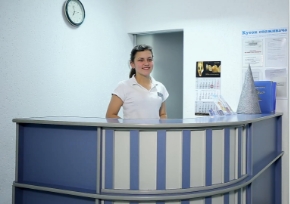
The patient waits in the waiting room until they are invited into a consultation room or taken directly for treatment administration.

Consultations are key, particularly at the beginning of the treatment. After that, consultations with the psychiatrist are as required. The psychiatrist can discuss outcomes, side effects and answer any patient queries.

Administration
SPRAVATO® therapy is intended to be self‑administered by the patient under the direct supervision of a healthcare professional. A treatment session consists of nasal administration of SPRAVATO® therapy and a post‑administration observation period in an appropriate clinical setting. Please refer to the dosing and administration guide or to the summary of product characteristics (SmPC) for full details of prescribing information.1

At each session, instruct patient to blow nose before first device only

Confirm required number of devices

Check expiration date (’EXP’)
If expired, get a new device
Peel blister and remove device

Do not prime device – this will result in a loss of medication
Check that indicator shows 2 green dots. If not, dispose of device and get a new one
Hand device to patient

Patient should:
Hold device as shown with the thumb gently supporting the plunger
Do not press the plunger

Recline head at about 45 degrees during administration to keep medication inside the nose

Patient Should:
Insert tip straight into the first nostril
Nose rest should touch the skin between the nostrils

Patient should:
Breathe in through nose while pushing plunger all the way up until it stops

Sniff gently after spraying to keep medication inside nose

Switch hands to insert tip into the second nostril

Take device from patient
Check that indicator shows no green dots. If you see a green dot, have patient spray again into the second nostril
Check indicator again to confirm device is empty

Patient should:
Rest in a comfortable position (preferably,
semi-reclined) for 5 minutes after each device
Do not blow nose
If liquid drips out, dab nose with a tissue
Ensure that the patient waits 5 minutes after each device to allow medication to absorb
Patient should be observed for any transient side effects including dissociation, sedation and increase in blood pressure, until patient is clinically stable based on clinical judgment.

WARNING: Before SPRAVATO® administration, patients should be instructed not to engage in potentially hazardous activities requiring complete mental alertness and motor coordination, such as driving a vehicle or operating machinery, until the next day following a restful sleep. 1
A readiness to leave checklist will be given with and is included as part of the SPRAVATO® risk mitigation materials
In order to be able to implement SPRAVATO® within the site of care, eligible rooms need to be available for patients.
The rooms need to be suitable for (1) administration of the product and (2) for post administration observation. These 2 steps do not need to occur in different rooms.
Time spent in this step is not expected to involve a HCP.
Chairs or beds need to be in place which allow the patient to recline their head to 45 degrees during administration.
Reclining chairs are not required but may be more comfortable for patients as they will need to recline their head at an angle during the administration step.1
The time spent during this step of the process is expected to be negligible and out of scope for the current resource utilisation exercise.
Time spent in this step is not expected to involve a HCP.
Evidence of therapeutic benefit should be evaluated at the end of induction phase (week 4) to determine need for continued treatment. 1
The need for continued treatment should be re-examined periodically. After depressive symptoms improve treatment is recommended for at least 6 months 1

Assessment of contraindications and concomitant medications should take place, plus patient medical history (and assessment of history of substance abuse).1
There will be a consultation before the first administration, where the psychiatrist will check suitability for treatment (e.g. contra-indications, need for lifestyle or pharmacological intervention prior to starting SPRAVATO® treatment in case of elevated blood pressure...). The decision to prescribe SPRAVATO® should be determined by a psychiatrist.1
At the end of induction period there will be a consultation to check for evidence of therapeutic benefit. Consultations during the maintenance phase will check for dosing frequency and the need for continued treatment.
Implementing SPRAVATO® within the site of care will require healthcare professional(s) to be available for the administration and post administration observation period.
SPRAVATO® is intended to be self-administered by the patient under the direct supervision of a healthcare professional.The patient then needs to observed by a healthcare professional during a post administration observation period.1
The nasal sprays needs to be stored in a controlled drugs cabinet, preferably close to the location where the SPRAVATO® is being administered. The disposal of the device should happen in accordance with local requirements.
Box sizes:

Blood pressure should be assessed prior to dosing with SPRAVATO®. In patients whose blood pressure prior to dose administration is judged to be elevated (as a general guide: >140/90 mmHg for patients <65 years of age and >150/90 mmHg for patients ≥65 years of age), it is appropriate to adjust lifestyle and/or pharmacologic therapies to reduce blood pressure before starting treatment with SPRAVATO®. 1

Patients should be observed by a healthcare professional after SPRAVATO® administration at each treatment session:
Readiness to leave checklist is available to help assess when a patient is ready to leave the site of care and is part of the SPRAVATO® risk mitigation materials.

Impact on patient
Impact on site of care
Requirements
Impact on patient
Impact on site of care
Requirements
Impact on patient
Impact on site of care
Requirements

Impact on patient
Impact on site of care
Requirements

Allow for the patient to be accompanied by a ‘carer’ (e.g. spouse, family member, friend), who could be with the patient during the post-administration observation, and support the patient throughout the journey.
Impact on patient
- Patient supported by a known person
Impact on site of care
- Observation may be done more efficiently with 'carer' support
- Reduction in observation phase HCP effort as emotional and practical support of certain side effects are taken up by ‘carer’ (e.g. anxiety, dissociation)
Requirements
- Ability / capacity for the ‘carer’ to support the patient during clinic appointments and on the way to and from the clinic (can e.g. be combined with other options)
- Willingness from the board/psychiatrist to allow ‘carer’ in administration and post-administration observation environment
Implement a simplified administration system, as often used for indications with frequent hospital visits, for decreasing the administrative burden for the patient (e.g. no registration at a desk and use of ID card), allowing for easier access to the observation room and faster treatment start.
Impact on patient
- Easier access to treatment
- Less time spent in the site of care
Impact on site of care
- Minimised impact of busy periods at administration desk on the patient arrival pattern (i.e. decrease in people turning up late for treatment)
Requirements
- Infrastructure requirements (patient badges, …)
- Payment and administrative system dapted to such a set-up (e.g. for payment)
Make notes of individual patient experience on treatment so it can be used for subsequent treatment sessions to optimise their experience.
Impact on patient
- Allows for personalised approach of treatment for the patient
Impact on site of care
- Better knowledge and history of patient side effects during observation phase
- Higher administrative requirements for nurses
- Investment in profile template creation required
Requirements
- Deployment of a tool and/or procedures for tracking patient specificities
- When patient information is already in place, this can be leveraged for an holistic patient overview
Optimised location and layout of site of care while considering the flow of patients and considering specific needs, e.g. disabled people. Improve traffic flow (e.g. observation rooms close to admission desk or secondary entrance) and eliminate redundancy (e.g. avoid 2 steps admissions).
Impact on patient
- Less time spent in the site of care
- Easier & smoother journey
Impact on site of care
- Reduction of the idle time of the HCP for moving in the site of care
- Higher administrative requirements for nurses
- Optimised utilisation of HCP and rooms
Requirements
- Can require significant investments
- Can require activities at a broader scale than the practice at stake
- Requires dedicated analysis on the patient flow and physical journey
Changing the staffing mix to decrease overall cost of effort for taking care of patients (e.g. leverage junior nurses for post-administration observation of known patients, optimised frequency of psychiatrist consultations).
Impact on site of care
- Optimisation of staff utilisation & potential for additional capacity creation
Requirements
- Sufficient time-size and critical mass to allow for organisational optimisation
In a observation phase, the available free time can efficiently be used by the nurse to do additional work. E.g. administrative work. The nurse can also sit in the same room as the patient(s) - have a desk and just do some paperwork etc.
Impact on patient
- No continuous observation
- Observation based on frequent check-ups
Impact on site of care
- Optimised utilisation of HCP time
Requirements
- Nurse needs to be able to do frequent check-ups on patient
For the maintenance phase of the treatment, set-up a dedicated room with the necessary equipment for administration and post-administration observation of several patients in parallel, in order to reduce the number of required HCP and room(s).
Impact on patient
- Lack of privacy during observation phase
- Potential incompatibility of patients during treatment (i.e. based on reaction to treatment)
- Patient more closely observed during the post-administration observation
Impact on site of care
- Optimised utilisation of HCP time
- Optimised utilisation of available space
- No exclusive observation
Requirements
- Availability of sufficiently large rooms at the site of care
The use of under-utilised infrastructure (e.g. specific times) of neighbouring departments (e.g. oncology).
Impact on patient
- Can lead to logistic challenges for patient
Impact on site of care
- Increases in capacity for patient care
- Optimised utilisation of HCP time
- Optimised utilisation of available space
Requirements
- Availability of low-utilisation infrastructure close to the practice
Monday
Tuesday
Wednesday
Thursday
Friday
Saturday
Sunday
Room 1
Nurse 1
Nurse 2
Nurse 3
Psychiatrist 1
Psychiatrist 2
Psychiatrist 3
Room 1
Room 2
Room 3
Nurse 1
Nurse 2
Nurse 3
Psychiatrist 1
Psychiatrist 2
Psychiatrist 3
Room 1
Room 2
Room 3
Nurse 1
Nurse 2
Nurse 3
Psychiatrist 1
Psychiatrist 2
Psychiatrist 3
Room 1
Room 2
Room 3
Nurse 1
Nurse 2
Nurse 3
Psychiatrist 1
Psychiatrist 2
Psychiatrist 3
Room 1
Room 2
Room 3
Nurse 1
Nurse 2
Nurse 3
Psychiatrist 1
Psychiatrist 2
Psychiatrist 3
Room 1
Room 2
Room 3
Nurse 1
Nurse 2
Nurse 3
Psychiatrist 1
Psychiatrist 2
Psychiatrist 3
Room 1
Room 2
Room 3
Nurse 1
Nurse 2
Nurse 3
Psychiatrist 1
Psychiatrist 2
Psychiatrist 3
Monday
Tuesday
Wednesday
Thursday
Friday
Saturday
Sunday
Rooms
Chairs
Room 1
Room 2
Nurses
Nurse 1
Nurse 2
Nurse 3
Psychiatrists
Psychiatrist 1
Psychiatrist 2
Psychiatrist 3
Sessions
Session 1
Session 2
Session 2
SPRAVATO® has a major influence on the ability to drive and use machines.
Before SPRAVATO® administration, patients should be instructed not to engage in potentially hazardous activities requiring complete mental alertness and motor coordination, such as driving a vehicle or operating machinery, until the next day following a restful sleep.
Patients will require transportation to be organised for them ahead of all administrations (eg the hospital, carer, friend, taxi, public transport).
ACTIVE INGREDIENT(S): Esketamine hydrochloride.
Please refer to Summary of Product Characteristics (SmPC) before prescribing.
INDICATION(S): In combination with a SSRI or SNRI, for adults with treatment-resistant Major Depressive Disorder, who have not responded to at least two different treatments with antidepressants in the current moderate to severe depressive episode. Co-administered with oral antidepressant therapy in adults with a moderate to severe episode of Major Depressive Disorder, as acute short-term treatment, for the rapid reduction of depressive symptoms, which according to clinical judgement constitute a psychiatric emergency.
DOSAGE & ADMINISTRATION: Decision to prescribe should be determined by a psychiatrist. Self-administered under the direct supervision of a healthcare professional (HCP). Treatment session consists of nasal administration and a post-administration observation period, in an appropriate clinical setting. Before treatment: assess blood pressure (BP). If baseline BP is elevated, risks of short-term increases in BP and benefit of treatment should be considered. Should not be administered if an increase in BP or intracranial pressure poses a serious risk. Additional precautions: patients with clinically significant / unstable cardiovascular / respiratory conditions: only administer in a setting where resuscitation equipment and HCPs with training in cardiopulmonary resuscitation are available. Post-administration: assess BP 40 minutes after treatment, subsequently as clinically warranted. Monitor patients BP, for sedation and dissociation, until considered clinically stable and ready to leave. Adults <65 years with treatment-resistant Major Depressive Disorder: Induction phase: weeks 1-4: day 1 dose of 56 mg, then 56 mg or 84 mg twice weekly. Maintenance phase: weeks 5-8: 56 mg or 84 mg once weekly. From week 9: 56 mg or 84 mg every 2 weeks or once weekly. Adults ≥65 years with treatment-resistant Major Depressive disorder: Induction phase: weeks 1-4: day 1 dose of 28 mg, then 28 mg, 56 mg or 84 mg twice weekly. Maintenance phase: weeks 5-8: 28 mg, 56 mg or 84 mg once weekly. From week 9: 28 mg, 56 mg or 84 mg every 2 weeks or once weekly. All dose changes in 28 mg increments. Evaluate evidence of therapeutic benefit at the end of induction phase and in maintenance phase, to determine need for continued treatment. After depressive symptoms improve, treatment is recommended for at least 6 months. Adults <65 years for acute short-term treatment of psychiatric emergency due to Major Depressive Disorder: 84 mg twice weekly for 4 weeks. Dosage reduction to 56 mg should be made based on tolerability. After 4 weeks of treatment with Spravato, the oral antidepressant (AD) therapy should be continued, per clinical judgement. Adults ≥65 years; for acute short-term treatment of psychiatric emergency due to Major Depressive Disorder: not studied. For patients with Japanese ancestry, Efficacy has been studied but not established. Children: no data. Hepatic impairment: no dose adjustment for mild (Child Pugh class A) or moderate (Child Pugh class B) hepatic impairment. Caution when using maximum dose of 84 mg with moderate hepatic impairment. Not recommended in severe hepatic impairment (Child Pugh class C). Renal impairment: no dose adjustment in mild to severe renal impairment. Patients on dialysis not studied.
CONTRAINDICATIONS: Hypersensitivity to active substance, ketamine, or excipients. Patients for whom an increase in BP or intracranial pressure poses a serious risk: aneurysmal vascular disease (including intracranial, thoracic, or abdominal aorta, or peripheral arterial vessels), history of intracerebral haemorrhage, recent (within 6 weeks) cardiovascular event, including myocardial infarction.
SPECIAL WARNINGS & PRECAUTIONS:
Suicide/suicidal thoughts or clinical worsening: The effectiveness of Spravato in preventing suicide or in reducing suicidal ideation or behaviour has not been demonstrated. Use of Spravato does not preclude the need for hospitalisation if clinically warranted, even if patients experience improvement after an initial dose of Spravato. Closely supervise, especially in early treatment and following dose changes and monitor patients closely during treatment, as risk persists until significant remission occurs, risk of suicide may increase in the early stages of recovery. Alert patients and caregivers of the need to monitor for any clinical worsening, suicidal behaviour/thoughts and unusual changes in behaviour. Seek medical advice immediately if symptoms present. Neuropsychiatric and motor impairments: somnolence, sedation, dissociative symptoms, perception disturbances, dizziness, vertigo, anxiety occurred during clinical trials. At each treatment session monitor patients until considered stable as attention, judgment, thinking, reaction speed and motor skills may be impaired. Respiratory depression: concomitant use with CNS depressants may increase risk for sedation. Closely monitor for sedation and respiratory depression. Effect on BP: transient increases in systolic and/or diastolic BP with peak at approx. 40 minutes post administration, lasts approx. 1-2 hours. Monitor BP. If BP remains elevated seek assistance from practitioners experienced in BP management; symptoms of a hypertensive crisis, refer immediately for emergency care. Cardiovascular or respiratory conditions: clinically significant or unstable cardiovascular / respiratory conditions: only initiate treatment if benefit outweighs the risk. Drug abuse, dependence, withdrawal: Spravato contains esketamine and may be subject to abuse and diversion. Patients with history of drug abuse or dependence may be at greater risk. Prior to prescribing, assess patient’s risk for abuse or misuse. While on therapy, monitor for the development of abuse or misuse, including drug seeking behaviour. Other populations at risk: use with caution in patients with presence/history of psychosis, mania or bipolar disorder; hyperthyroidism that has not been sufficiently treated; history of brain injury, hypertensive encephalopathy, intrathecal therapy with ventricular shunts, or any other condition associated with increased intracranial pressure. Hepatotoxicity reported with chronic ketamine use, cannot exclude the potential for such an effect due to long-term. Urinary tract symptoms: monitor for urinary tract and bladder symptoms during treatment. Refer to appropriate healthcare provider when symptoms persist.
SIDE EFFECTS:
Very common: dissociation, dizziness, headache, somnolence, dysgeusia, hypoaesthesia, vertigo, nausea, vomiting, blood pressure increased. Common: anxiety, euphoric mood, confusional state, derealisation, irritability, hallucination including visual hallucination, agitation, illusion, panic attack, time perception altered, paraesthesia, sedation, tremor, mental impairment, lethargy, dysarthria, disturbance in attention, vision blurred, tinnitus, hyperacusis, tachycardia, hypertension, nasal discomfort, throat irritation, oropharyngeal pain, nasal dryness including nasal crusting, nasal pruritus, hypoaesthesia oral, dry mouth, hyperhidrosis, pollakiuria, dysuria, micturition urgency, feeling abnormal, feeling drunk, asthenia, crying, feeling of body temperature change. Refer to SmPC for other side effects.
LEGAL CATEGORY: Prescription Only Medicine, Controlled Drug under Schedule 3.
PRESENTATIONS, PACK SIZES, MARKETING AUTHORISATION NUMBER(S): 28 mg nasal spray, 1 device, EU/1/19/1410/001; 28 mg nasal spray, 2 devices, EU/1/19/1410/002; 28 mg nasal spray, 3 devices, EU/1/19/1410/003
MARKETING AUTHORISATION HOLDER:
Janssen-Cilag International NV, Turnhoutseweg 30, B-2340 Beerse, Belgium.
FURTHER INFORMATION IS AVAILABLE FROM:
Janssen Sciences Ireland UC, Barnahely, Ringaskiddy, IRL - Co. Cork, P43 FA46.
Prescribing information last revised: March 2021.
This medicinal product is subject to additional monitoring and it is therefore important to report any suspected adverse events related to this medicinal product. Healthcare professionals are asked to report any suspected adverse events via: HPRA Pharmacovigilance Website: www.hpra.ie.
Adverse events should also be reported to Janssen Sciences Ireland UC on 1800 709 122 or at dsafety@its.jnj.com.
& As assessed by difference in MADRS total score, SPRAVATO® + OAD demonstrated a 4.0 point superiority vs SOC at Day 28; p=0.02.4 Least square (LS) means and standard error (SE) were based on the missed model for repeated measures (MMRM analysis) as quoted in the published clinical paper. The EU SPRAVATO® SmPC states a LS mean difference (95% CI) of -3.5 (-6.7, -0.3) based on the ANCOVA BOCF statistical analysis for this endpoint which was statistical superior to SOC.9
^ As measured by a ≥50% decrease in MADRS score by day 2 and Day 28.4
TRANSFORM-1
TRANSFORM-2
TRANSFORM-3
Based on MMRM analysis (mixed model for repeated measures). The EU SPRAVATO® SMPC states the LS mean difference (95% CI) is -2.9 (-6.5, 0.6) based on ANCOVA BOCF analysis.
$ 51% and 70% reduced risk of relapse at Week 16. Stable remitters: Spravato® n=90, placebo nasal spray n=86. Stable responders: Spravato® n=62, placebo nasal spray n=59. Stable remission defied as patients having MADRS total score ≤12 for at least 3 of the last 4 weeks of the optimisation phase; with MADRS total score missing once or >12 at week 13 or 14 permitted, and ≤12 at weeks 15 and 16 required. A stable response was defined as patients have ≥50% reduction in MADRS total score from baseline in the last 2 weeks of the optimisation phase but who did not achieve stable remission criteria.5
SUSTAIN-1
For patients in stable remission, the relapse rate based on Kaplan Meier estimates during the 12 and 24 weeks double blind follow up period was 13% and 32% for Spravato® and 37% and 46% for placebo nasal spray, respectively. For patients in stable response, the relapse rate based on Kaplan Meier estimates during the 12 and 24 weeks double blind follow up period was 21% and 21% for Spravato® and 47% and 56% for placebo nasal spray, respectively.
Absenteeism is time absent from work. Work productivity impairment is a combination of absenteeism and presenteeism, the latter meaning reduced productivity while at work. Outcomes were assessed using the six-item Work Productivity and Activity Impairment-General Health (WPAI-GH) Questionnaire.10 As a patient can report work productivity impairment multiple times, the number of cases, or times a patient reports absenteeism, impaired daily activity, and reduced work productivity are reported instead of the number of patients.

